Grandma wants to buy LEGO but doesn’t know whether the box with the big bricks or the small bricks is the right one. That’s not a silly question: LEGO sells two completely different systems under the same brand, for completely different ages. Here is the explanation you need.
For specific set recommendations: best LEGO Duplo sets for children up to 5 years, and the age page for LEGO System from age 4.
Quick rules of thumb
If you take one thing from this explainer, make the buying decision concrete before comparing prices. “I want a nice LEGO set” is too broad. “I need a gift under 50 euros that arrives this week” immediately creates better filters.
| Question | Why |
|---|---|
| What is my maximum price? | Without a limit, every small price move feels urgent |
| When do I need the set? | Delivery time can matter more than the final euro |
| What am I comparing against? | A price is only good when you know the alternative |
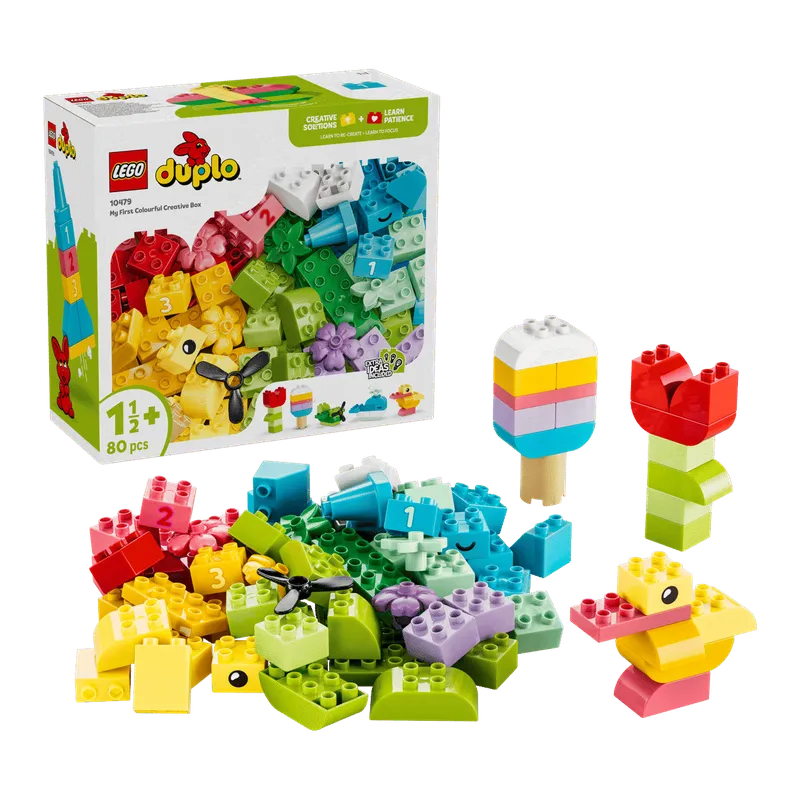
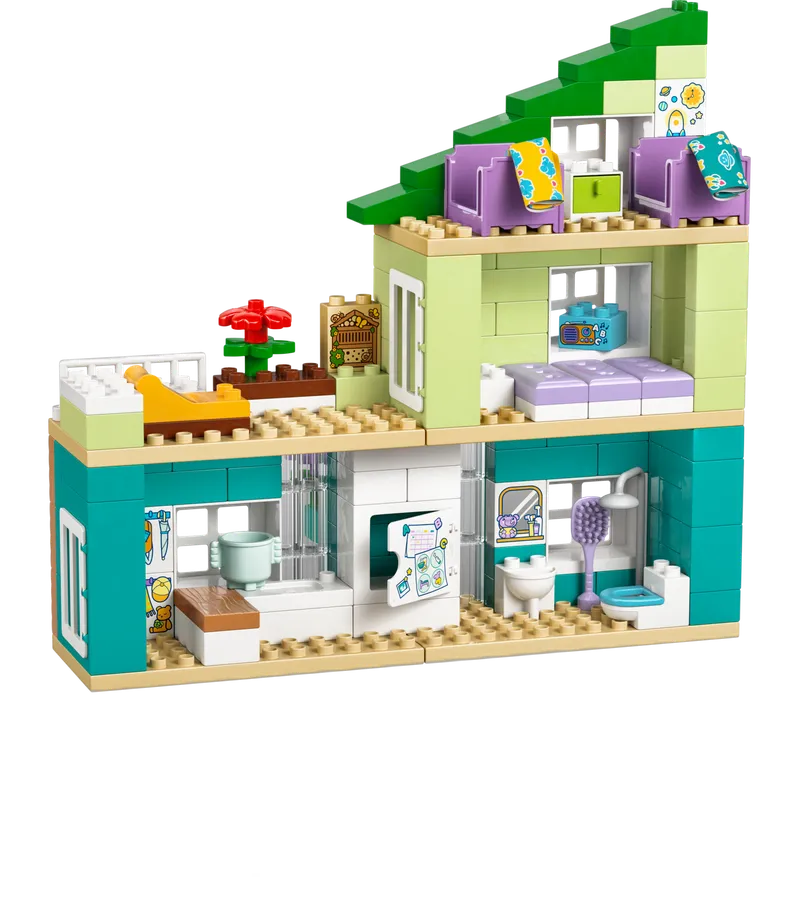
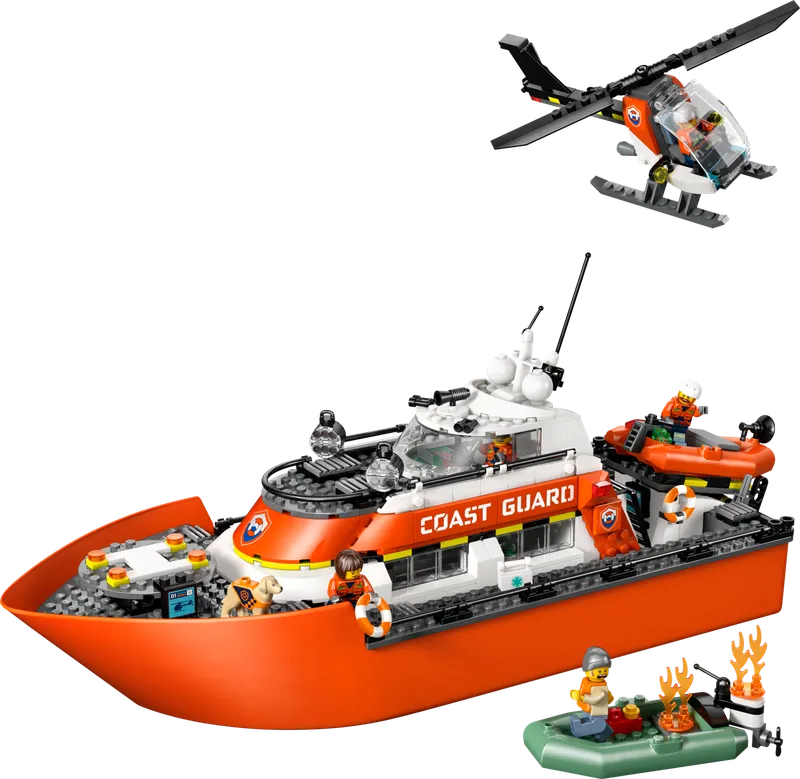
From the sets in this guide, I would track 10479 Colorful Creative Box, 10470 3 in 1 Modern Family House with Figures and 60504 Coast Guard Rescue Boat & Helicopter first. Not because those are automatically the best deals, but because a price move on a larger or more giftable set changes the buying decision fastest.
The difference in one sentence
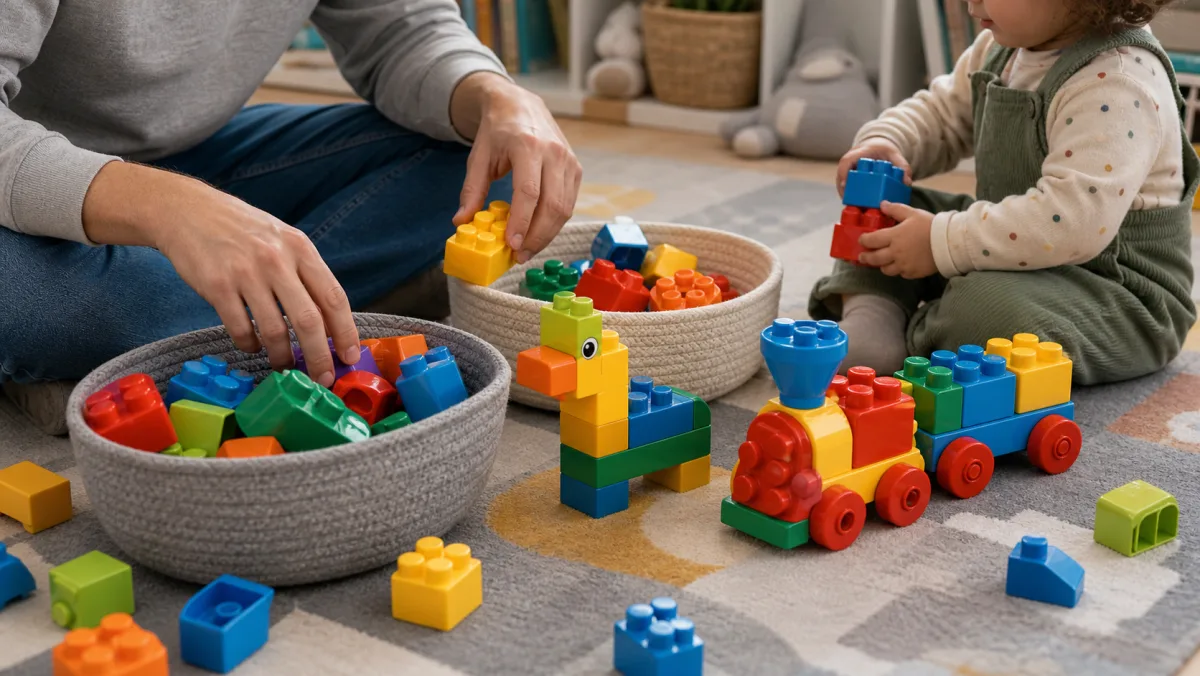
Duplo bricks are twice the size of LEGO System bricks. One Duplo stud covers four System studs. Duplo exists because LEGO System is dangerous for children who still put parts in their mouths: the bricks are small enough to swallow. Duplo bricks are not.
Age advice: a practical table
| Age | Recommended system | Example set |
|---|---|---|
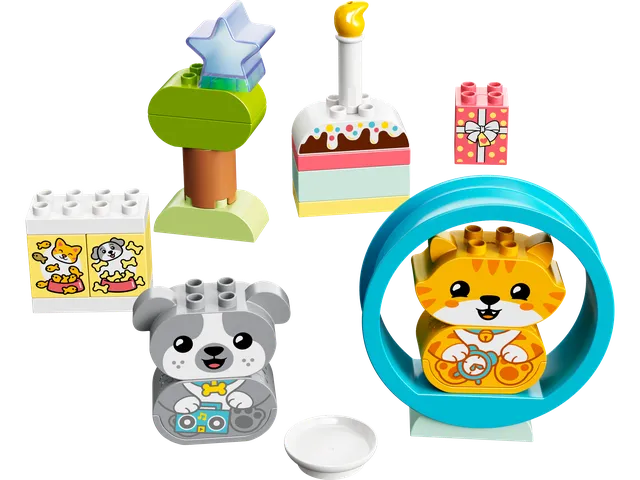
| 1.5–2 years | Duplo, loose bricks | 10479 Colorful Creative Box |
| 2–3 years | Duplo, 3-in-1 sets and scenes | 10472 Animal Building Game |
| 3–4 years | Duplo, larger sets | 10470 3 in 1 Modern Family House |
| 4–5 years | Transition: last Duplo + first LEGO 4+ | 60504 City Coast Guard |
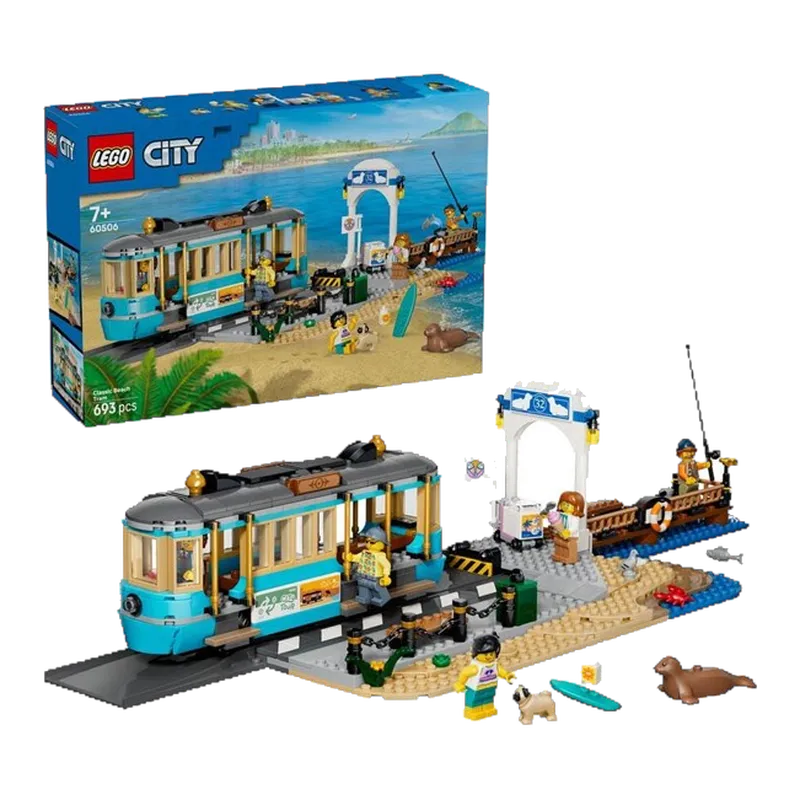
| 5–6 years | LEGO System Classic or City 6+ | 60506 Beach Streetcar |
| 6+ | Full LEGO catalogue | Your choice |
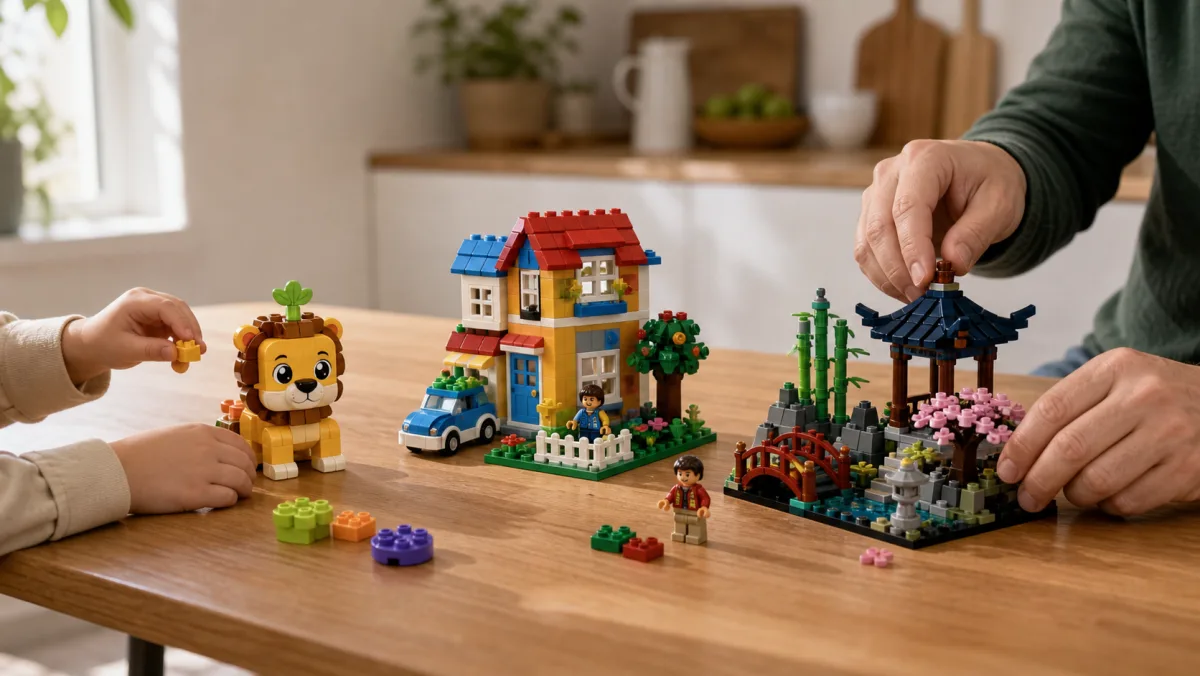
The transition period from 4 to 5 years is the trickiest for gift buyers. At that age a child can be both too old for Duplo and too young for regular LEGO. A safe choice is a City 4+ set: larger build plates, fewer small loose parts, but real System bricks.
Why Duplo exists: the safety reason
LEGO Duplo launched in 1969 because LEGO System was officially unsafe for children under 4. Small System bricks fit through a throat opening. Duplo bricks do not. The size difference is about safety, not pedagogy.
A practical step for households with multiple ages: Duplo in its own drawer, System in its own drawer. A 2-year-old rummaging through a 7-year-old sibling’s LEGO box will find small parts.
Do they fit together?
Yes, but not symmetrically:
- Duplo on System: works. Duplo bricks have a hollow underside that fits onto four System studs. A Duplo figure can stand on a System build.
- System on Duplo: does not work. A System stud does not fit into a Duplo attachment.
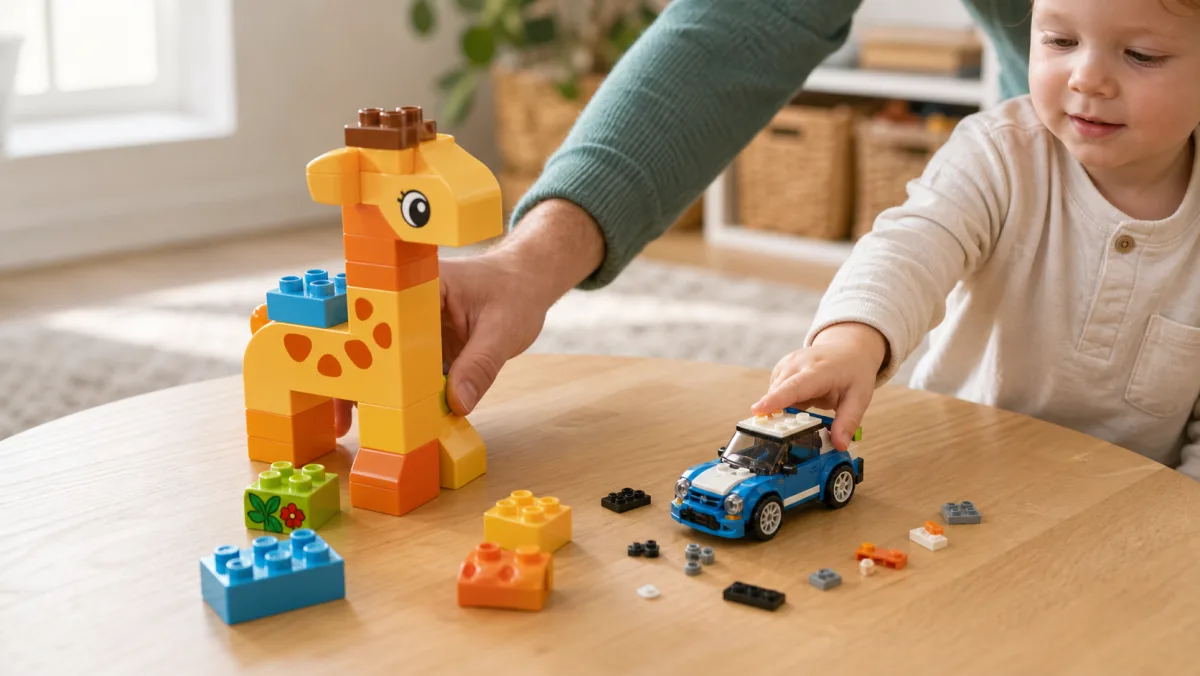
This is useful during the transition period. A Duplo build plate as foundation, System bricks as superstructure: that works physically. It is also a smart way to use both collections together in one play session.
Transition strategy for parents
How do you guide a child from Duplo to System without it becoming frustrating?
- Around age 4: introduce one LEGO Classic 4+ or City 4+ set. Build it together the first time. Don’t put the Duplo box away yet.
- Around age 5: add a Friends, City or Ninjago set with age 6+ rating. Build the first one together; after that the child can continue independently.
- Around age 5.5–6: most children can build 6+ sets independently following instructions.
- Keep Duplo: for younger siblings, or simply for nostalgic play. Duplo holds its value well and is fully reusable.
For gifts during the transition: combining one familiar Duplo set with one challenging System 4+ set works well. The child can choose what they want to do that day.
My shortest advice per situation
- Child is 1.5–2 years: buy Duplo. Full stop.
- Child is 4–5 years and has never had LEGO: a City 4+ set is safer than a regular 6+ set.
- Child is 5–6 years: regular LEGO System. Look at Classic, City or Ninjago.
- Unsure about age: check the box. LEGO age ratings are taken seriously.
More specific set recommendations by age are in the Duplo buying guide.
Sets from this guide
The LEGO sets mentioned in this article, with live price comparison.
Best for each buyer type
Use these picks to decide whether the child still needs DUPLO scale or is ready for smaller LEGO parts.
Colorful Creative Box is the age-transition check: if the child still mouths parts, stay with DUPLO scale.

3 in 1 Modern Family House with Figures is the safer gift when you are unsure about fine-motor skills and sibling safety.

Coast Guard Rescue Boat & Helicopter marks the step toward regular LEGO play, where smaller parts and longer builds start to matter.
Track Classic Beach Streetcar if the child is close to switching; the right price can make the next-size trial easier.