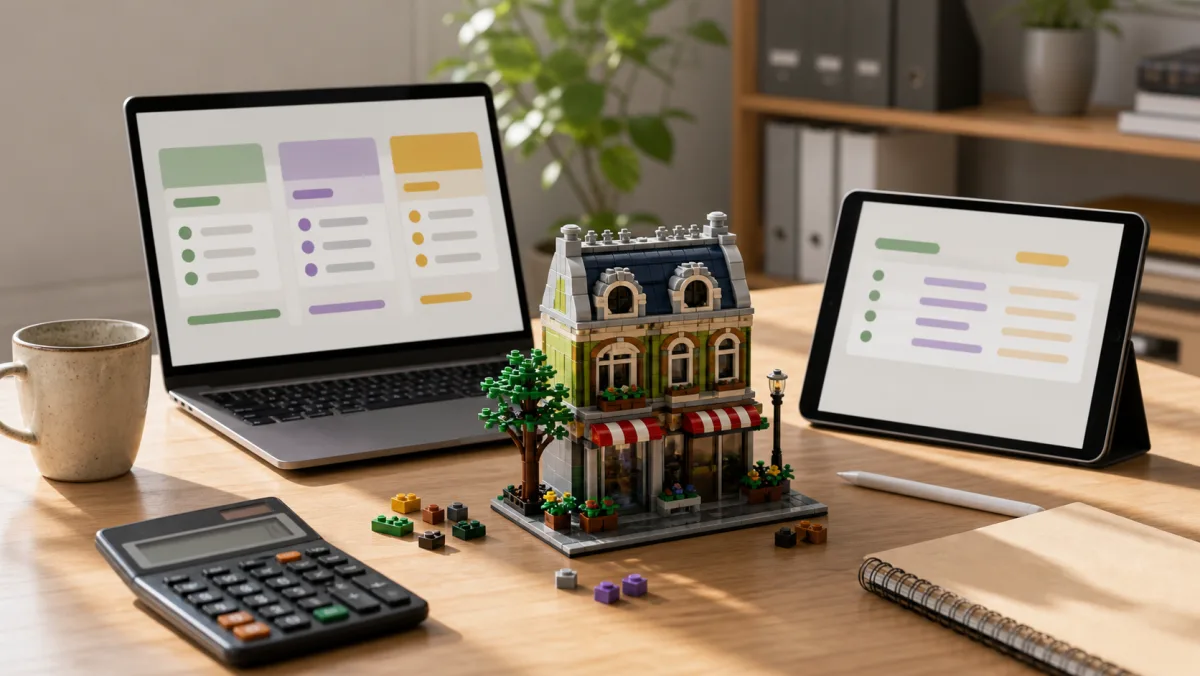
Same LEGO City set: 69.99 euros at LEGO.com, 59.99 euros at Amazon.nl, 62.95 euros at Bol.com: all at the same moment. Anyone who doesn’t see that difference pays 10 euros too much. Over a year of ten purchases, that’s 100 euros.
This is how BricksDeal tracks that comparison, what the limitations are, and when it’s worth the effort.
Quick rules of thumb
If you take one thing from this explainer, make the buying decision concrete before comparing prices. “I want a nice LEGO set” is too broad. “I need a gift under 50 euros that arrives this week” immediately creates better filters.
| Question | Why |
|---|---|
| What is my maximum price? | Without a limit, every small price move feels urgent |
| When do I need the set? | Delivery time can matter more than the final euro |
| What am I comparing against? | A price is only good when you know the alternative |
Which retailers count and why
Not every LEGO retailer in the Netherlands is equally relevant. Here are the main ones, with their characteristics:
| Retailer | Strong points | Watch out for |
|---|---|---|
| LEGO.com | Full range, Insider points, GWP | Almost always RRP: rarely the lowest price |
| Amazon.nl | Frequent price drops, flash deals | Check that the seller is “Amazon.nl” itself, not a third party via Marketplace |
| Bol.com | Broad selection, structurally 8-15% below RRP | Partner sellers sometimes mixed in |
| Intertoys | Physical stores, strong kids range | Online assortment more limited than in store |
| Wehkamp | Sometimes surprisingly sharp | Less broad range |
| Coolblue | Warranty and service strong | Rarely the lowest price |
| Kruidvat | Small kids assortment | No 18+ sets |
BricksDeal also tracks specialists like MisterBricks and GoodBricks, but they’re rarely the lowest price for new sets: more interesting for discontinued or hard-to-find sets.
How the price measurement works
For every LEGO set active at Dutch retailers:
What BricksDeal doesn’t include in the direct price: shipping costs, LEGO Insider points value and Bol.com Select benefits. Keep that in mind when comparing: see also the LEGO.com vs. Bol.com guide.
When does comparing actually pay off?
Savings aren’t linear. For new sets in the first two months after launch, almost all retailers hold RRP: comparing delivers little. The longer a set has been on the market, the bigger the opportunity:
| Situation | Typical price gap between retailers |
|---|---|
| New release, first 2 months | 0-3% |
| Sets 6-18 months active | 5-15% |
| Sets near retirement | 10-30% |
| 18+ flagships during Black Friday | 15-25% |
| Gift sets under 30 euros | 1-5% |
Concretely: for a UCS Star Wars set at 350 euros that’s been on the market 18 months, the gap between retailers can be 40-80 euros. For a Friends set at 24.99 euros, it’s 1-2 euros.
Two ways to use BricksDeal
Opportunistic. You want a specific set, open the set page on BricksDeal and see in one glance which retailer is cheapest right now. You buy. Done.
Strategic. You build a wishlist of sets you want but aren’t buying yet. Per set you set a price alert at 80-85% of RRP. You wait for the price alert: typically around a promotional period (Black Friday, Insider Days) or a retailer-specific price drop. For anyone buying 5+ sets per year, this structurally delivers 15-25% savings on total LEGO spend.
In my experience: most people set their alert too high (95% of RRP) and are then surprised it rarely fires. Set it at 82-85% of RRP for a realistic signal on most sets above 50 euros.
What you can’t compare via BricksDeal
A few factors stay outside the direct price comparison:
Quick recommendation
Buying one set above 50 euros: check BricksDeal before you buy. It takes 30 seconds and saves an average 5-12 euros.
Buying regularly: set price alerts on your wishlist and let BricksDeal do the work.
Looking for something under 25 euros for a child: just buy it from the nearest retailer. The price difference isn’t worth the effort.
Price and stock data come from live measurements across 60+ Dutch retailers. See the about BricksDeal page for methodology.
Sets with visible retailer spread
Examples where lowest price, RRP and retailer stock can differ sharply.
Best for each buyer type
Use these as comparison examples: different budgets, different price gaps and different reasons to set an alert.
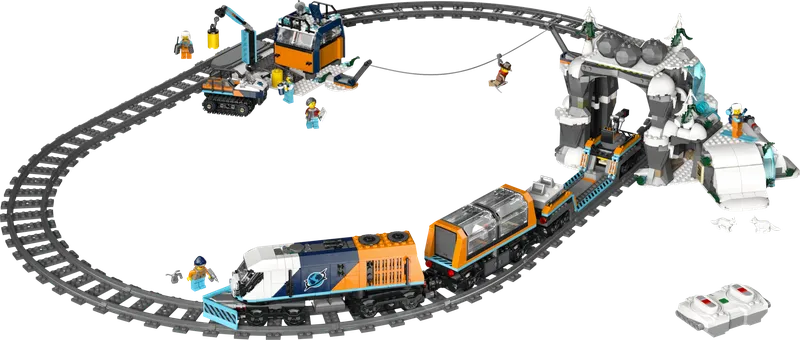
Explorers' Arctic Polar Express Train is a clean price-comparison example because the retailer gap is large enough to change the buying decision.

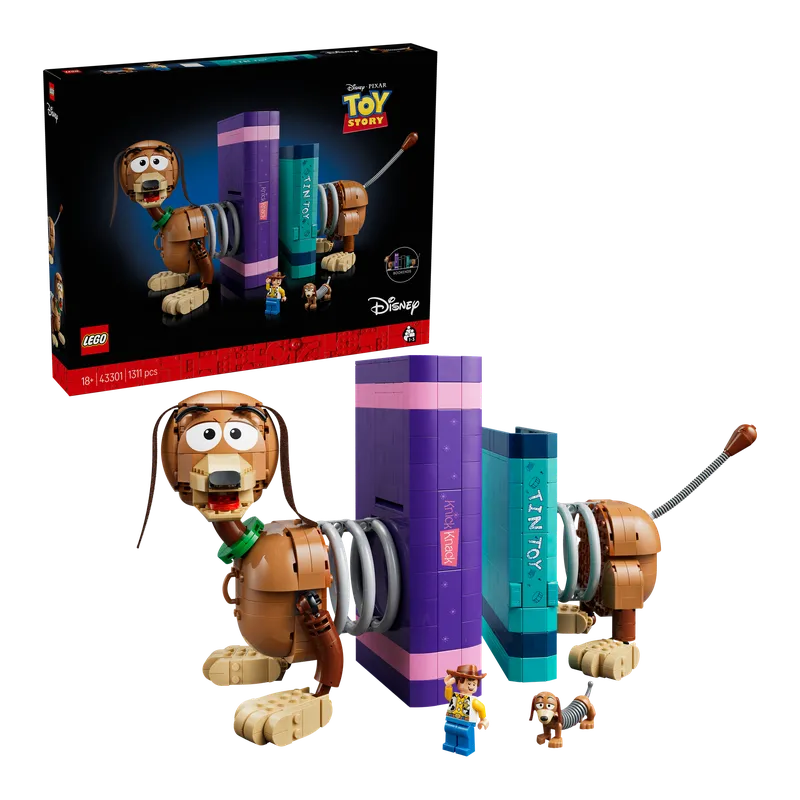
Toy Story Slinky Dog Bookends is the gift-budget example: compare the same set across retailers before swapping to a weaker box.

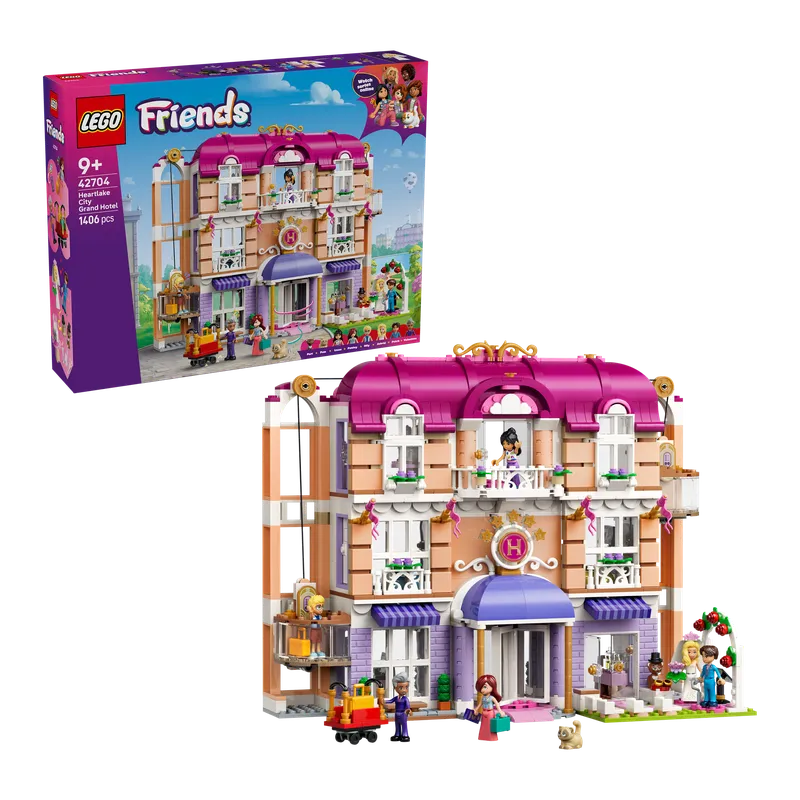
Heartlake City Grand Hotel shows why display sets need history, stock and returns checked alongside the lowest price.

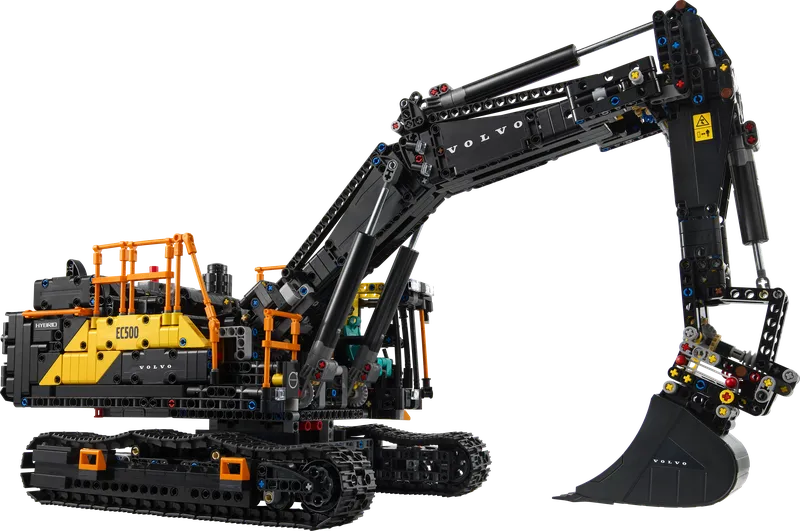
Set an alert for Volvo EC500 Hybrid Excavator; this is exactly the kind of higher-ticket set where waiting can pay off.
- 01 Prices checked multiple times per day Amazon.nl, Bol.com and LEGO.com are checked most often; smaller retailers follow at wider intervals.
- 02 Stock is part of the signal A low price without available stock is not a real buying opportunity and is treated differently.
- 03 Price history is preserved You see not just today's price, but whether it is close to the historic low.
- 04 Price alerts wait for you Set a target price and let BricksDeal tell you when price and stock line up.
The best LEGO deal is not the biggest badge, but the price where set, stock and timing all line up.
Frank Spin · BricksDeal editorial
Live examples to check
These sets show why placing the same LEGO set next to several retailers often makes the decision clearer.
What stays outside the direct price?
Not everything fits into one comparison price. Use these points as the final check before buying.