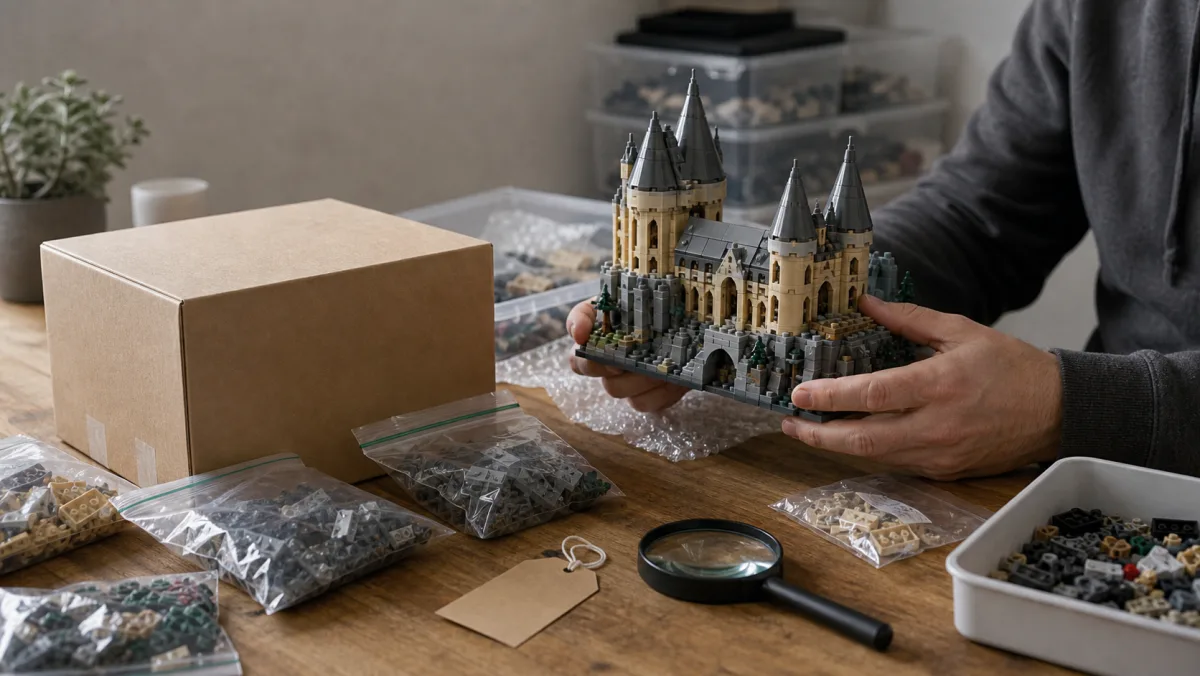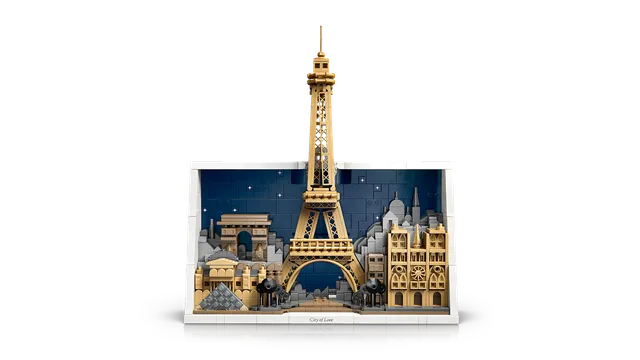
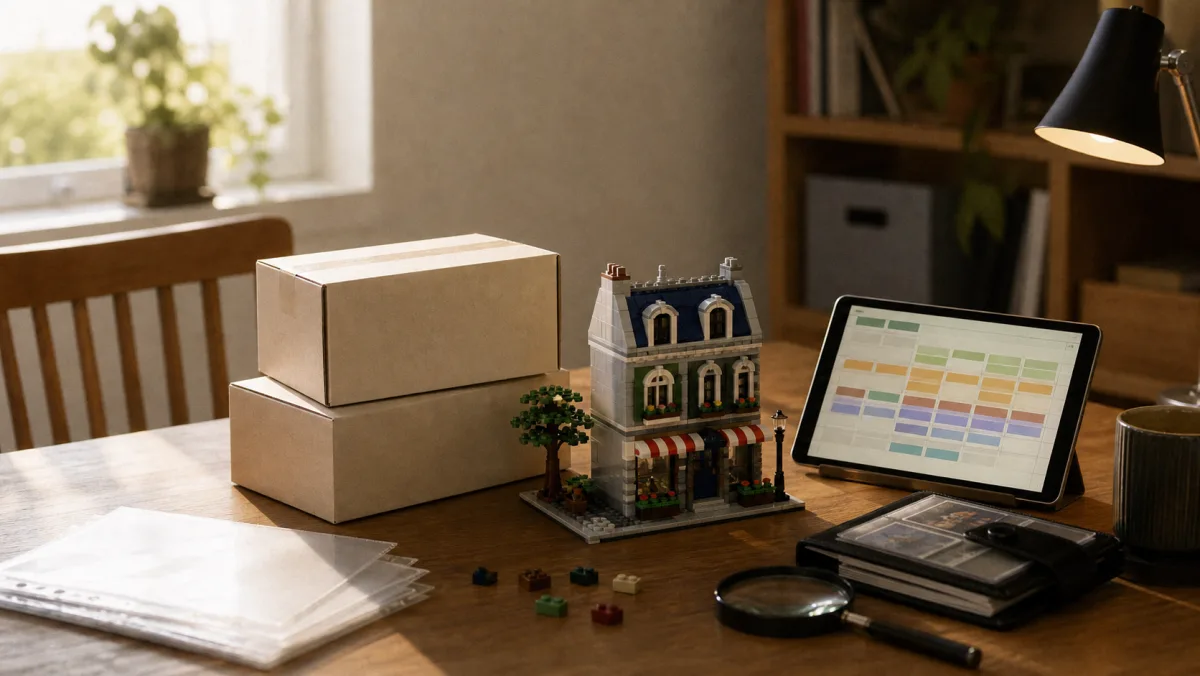
LEGO as investment grew popular after various online articles claimed returns of 10-15 percent per year. Some sets achieve that. Most do not. The average return across all retired sets is historically positive, but the median, what half of all investors actually realise, sits closer to inflation. Understanding this lets you use LEGO smartly. Ignoring it means buying expensive storage.
How to use this analysis for an actual purchase
Treat the analysis as a brake on impulse buying, not as a spreadsheet rule every set has to win. A LEGO set can look expensive rationally and still be the right buy because the theme, build experience or display value fits. The reverse is also true: a sharp price can still be a bad buy if you did not really want the set.
| Check | Good question |
|---|---|
| Price | Is this lower than the normal market price, or only lower than RRP? |
| Use | Are you building it, gifting it, or keeping it sealed? |
| Alternative | Which set are you not buying if you buy this one? |
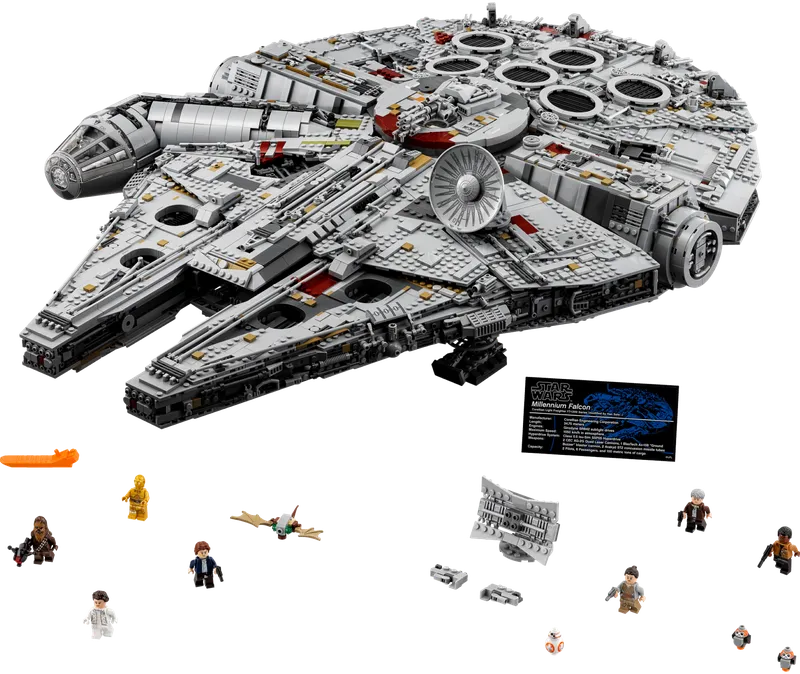
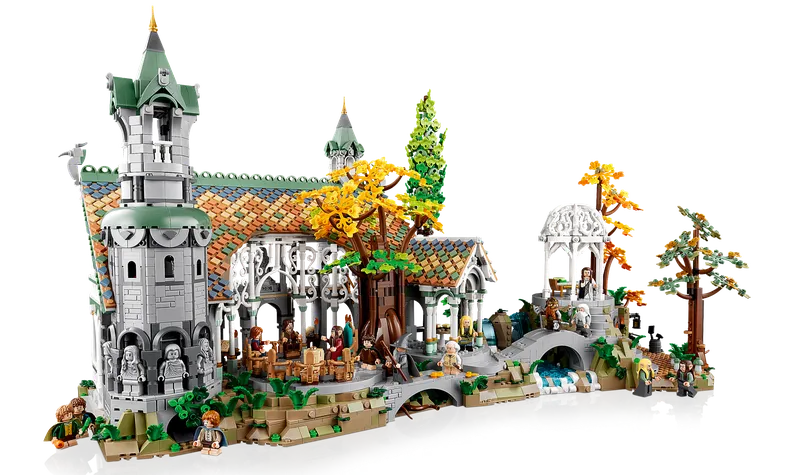
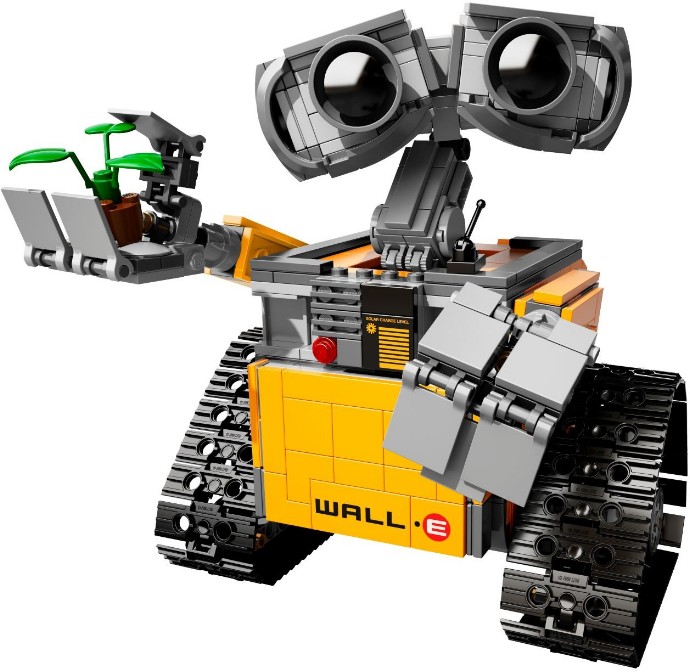
From the sets in this guide, I would track 75192 Millennium Falcon, 10316 THE LORD OF THE RINGS: RIVENDELL and 21303 WALL-E first. Not because those are automatically the best deals, but because a price move on a larger or more giftable set changes the buying decision fastest.
What do the numbers actually say?
Research from HEC Paris (2018) and analyses on Bricklink data give this picture for retired sets:
| Category | Return per year (first 5 years after retirement) |
|---|---|
| Average (mean) | ~11 percent |
| Median | 5-7 percent |
| Top 10 percent of sets | 15-30 percent |
| Bottom 30 percent | 0 percent or slight loss |
Comparison: a global stock ETF (VWRL) returned an average of 8-10 percent per year between 2015 and 2025, including dividends, without storage costs and without spending time on photos, packing and customer questions.
The 11 percent average is pulled up by outliers: Cafe Corner (10182), the first UCS Millennium Falcon (10179), Green Grocer (10185). Anyone who bought those in 2007-2008 and sold in early 2020 achieved 25-30 percent per year. That required both selection and timing.
The practical obstacles nobody mentions
Storage. One UCS Millennium Falcon box is 60x40x18 cm. Five sets of that size take a full wardrobe. Boxes need to stay dry, dark and stable. Damp garages and attics with temperature swings damage cardboard and reduce value by 30-50 percent.
Box damage. The second-hand market is unforgiving. A box with a dented corner or crease fetches 20-30 percent less on Bricklink than a pristine copy. Putting stickers on the box is a common mistake buyers cannot overlook.
Liquidity. You sell a share in three clicks. Selling a LEGO set means: taking photos (30 min), writing the listing, answering questions, packing, taking it to the post office. Allow 1-4 hours per set. For selling 30 sets: that is a small part-time job.
Re-releases. LEGO re-released Saturn V (21309) as 92176. The original temporarily dropped in value. The same risk exists for popular sets that LEGO finds commercially interesting to relaunch.
Which categories work consistently?
These are the only categories where the pattern is sufficiently reliable:
UCS Star Wars flagships. 10179 Millennium Falcon (2007), 10221 Super Star Destroyer (2011), 10212 Imperial Shuttle. All moved towards 2-4x RRP after retirement. The current candidate: 75192 UCS Millennium Falcon (active since 2017, retirement expected within 1-2 years).
Modular Buildings, first generation. 10182 Cafe Corner (2007-2008), 10185 Green Grocer (2008-2009), 10190 Market Street (2007-2008). All now well above RRP. Later Modulars also rise, but less dramatically because LEGO produces more of them.
LEGO Ideas with fan base. 21303 Wall-E, 21322 Pirates of Barracuda Bay, 21321 Stranger Things. Sets that appeal to a specific community that wants the set but can no longer get it new.
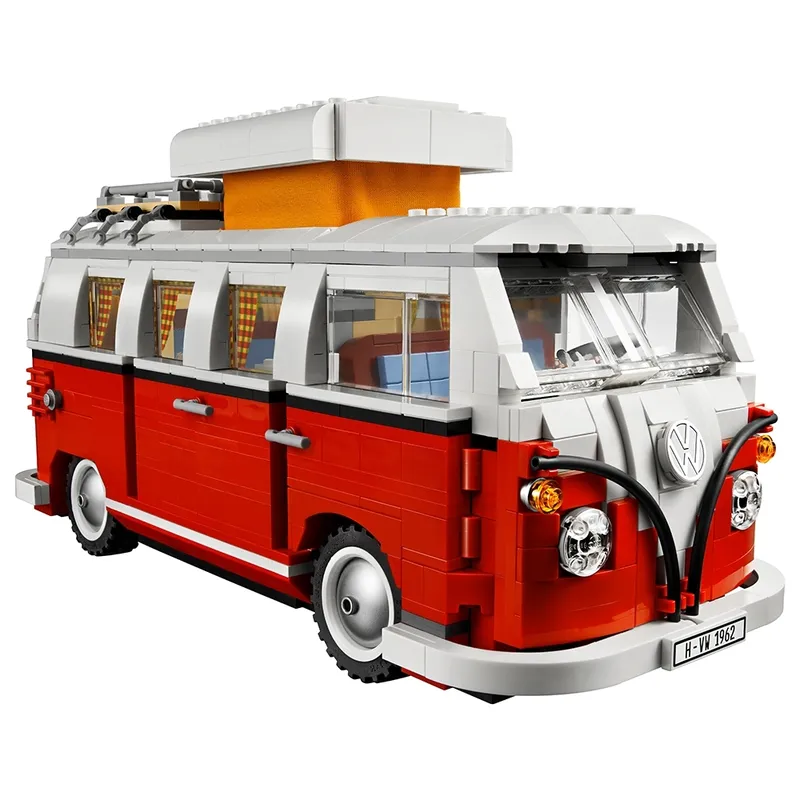
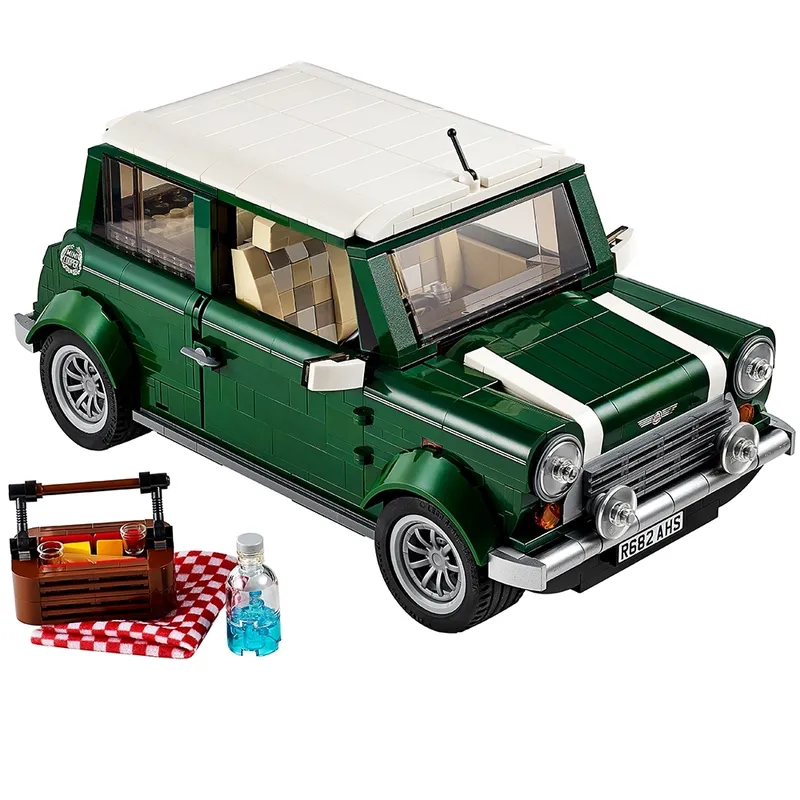
Exclusive anniversary releases. 10220 VW T1 Camper Van, 10242 MINI Cooper. Not a hard rule, but both have risen.
Active sets in 2026 that best fit this pattern: 75192 UCS Millennium Falcon, 71043 Hogwarts Castle (2018), 10316 LotR Rivendell (2023). No guarantee. These are simply the strongest candidates based on historical patterns.
Which sets do not work?
- City and Friends: high production, wide availability, little fan-community exclusivity. Post-retirement rises are rare and limited.
- Duplo: virtually no second-hand premium. The target audience does not shop on Bricklink.
- Speed Champions: modest price increase possible, rarely above 50 percent above RRP, so not interesting over a 5+ year horizon.
- Brick Headz: too many produced, too low an entry price, too little community hype.
- Sets with direct successors: when LEGO releases a new version of the Batmobile, the old one loses ground.
My honest take
I would never recommend LEGO as a primary investment strategy. The numbers only work if you pick the right sets, have the patience to wait 5-10 years, have the space to store them properly, and the time to sell them. For most people a stock index ETF is cheaper, easier and at least as profitable.
Where LEGO does work: if you already have the hobby. A single targeted purchase, a set you genuinely like that you also think will rise after retirement, is a reasonable side effect. The 75192 UCS Millennium Falcon is the most obvious choice for that combination in 2026. It is a fine build, it has been around a long time, and it will retire eventually.
For anyone with old LEGO in the attic: check the Bricklink Price Guide before selling. You can easily leave 50-200 euros on the table by listing a set for pennies on Marktplaats. See also LEGO retired sets value for concrete value patterns by category.
Short checklist if you want to try it
- Buy only sealed, and keep the box undamaged.
- Pick UCS Star Wars, early Modulars or Ideas, not City or Friends.
- Allow at least 5 years before expecting noticeable appreciation.
- Factor in storage and selling costs when calculating your return.
- Check whether the set has already been re-released or is a plausible candidate for re-release.
Sets from this guide
The LEGO sets mentioned in this article, with live price comparison.

Best for each buyer type
The sets from this guide that best illustrate which categories consistently appreciate, and which don't.
Nearly 9 years in production, no successor announced, enormous fanbase. The active set with the strongest case for post-retirement appreciation.

Niche but loyal LotR community and no direct successor. A candidate for appreciation after retirement, with broad enough recognition to work as a display gift.
LEGO Ideas with a dedicated fanbase outside the regular LEGO community. Already above RRP after retirement, and compact enough to display alongside the set.

Non-licensed Icons vehicle with crossover appeal. A price dip close to retirement is the signal to buy for both building and keeping.